
The world of technology is constantly evolving, and staying informed can be exciting and overwhelming at the same time. With so many devices hitting the market, it’s easy to miss out on the latest innovations. That’s why keeping up with new gadget launch updates is essential for tech enthusiasts and casual buyers alike. From foldable smartphones and powerful tablets to smart wearables and innovative e-readers, these updates give you a clear picture of what’s worth exploring, what’s trending, and which gadgets offer the best features for your needs.
Amazon Kindle Scribe Colorsoft
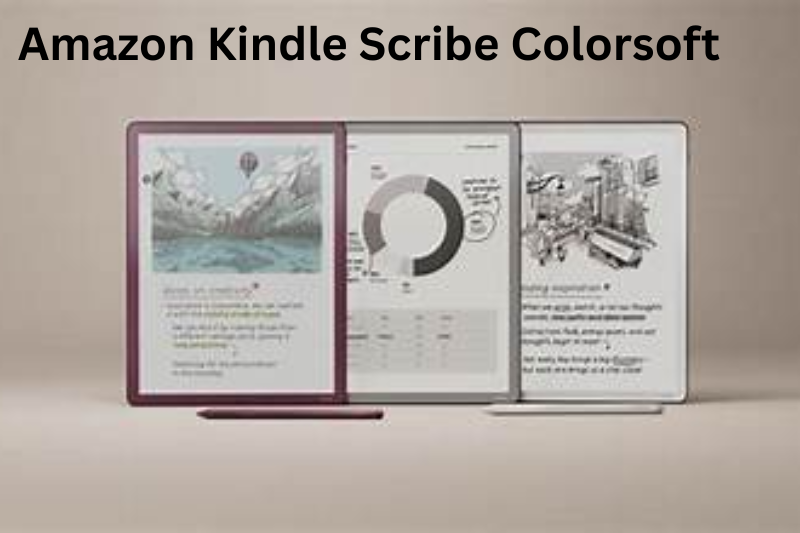
- Recently launched — this new e-reader from Amazon is aimed at people who love reading or note-taking. It features a large 11-inch screen, which gives you a lot of space — especially helpful if you read books or PDFs, or want to scribble notes. (The Verge)
- It’s thin, light, and minimalist — much less distracting than a regular tablet or phone, which makes it ideal for comfortable reading or writing. The upgraded front-lighting and redesigned stylus improve the “paper-like” reading/writing feel.
Benefits
- Great for reading books, documents, or long-form writing/notes.
- Bigger screen makes reading easier on the eyes and more comfortable for long sessions.
- Lightweight and specialized, minimizing distractions compared to a full-blown tablet or phone.
Drawbacks
- As a specialized device, it’s less versatile than a phone or tablet — you can’t run heavy apps or games.
- If you already carry a tablet or phone, this adds another device — extra cost and bulk.
Samsung Galaxy Z TriFold
This device is a major innovation: a phone that folds twice to deliver a 10-inch tablet-sized screen when unfolded, yet still folds into a pocket-friendly phone size. (Times of India)
Top specs and features
- 10-inch Dynamic AMOLED 2X display with 120 Hz refresh rate when unfolded, plus a 6.5-inch cover screen when folded.
- Powered by a Snapdragon 8 Elite chip, up to 16 GB RAM and up to 1 TB storage.
- Triple camera setup: 200 MP main, 12 MP ultra-wide, 10 MP telephoto, plus dual front cameras.
- Massive 5,600 mAh battery with 45 W fast wired charging, 15 W wireless charging, and reverse charging.
- Runs the latest Android version, optimized for multitasking with multiple apps side by side and desktop-style workspace.
Benefits
- Combines a phone and a tablet into one device — ideal for media, multitasking, work, or gaming.
- Top-tier hardware ensures flagship performance, great cameras, and ample storage.
- Large battery and modern charging support heavy usage without frequent recharging.
- Flexibility: compact when folded, expansive when unfolded.
Drawbacks
- Expensive — high-end specs and foldable design carry a premium price.
- Fragility — hinges and flexible screens may be prone to wear or damage.
- Software and app optimization may not fully utilize the unfolded screen for all apps.
- Bulk — even when folded, it may feel thicker and heavier than traditional smartphones.
You may also like to read these posts:
Wearable Tech Review for Beginners: Your Friendly Guide to Smart Devices
Best Camera Gadget Review List (2025): Detailed Reviews, Benefits & Drawbacks
What These Launches Mean for You and Gadget Trends
More Specialization & Device Choices
Gadgets are no longer one-size-fits-all. Devices like the Kindle Scribe target readers and note-takers, while foldables like the TriFold appeal to users who want both portability and large-screen flexibility. You can now pick a device that matches exactly what you care about, whether reading, productivity, media, or photography.
Bridging Device Categories
Foldables are bridging phones, tablets, and even light laptops. This can reduce the need to carry multiple devices for users seeking both portability and large-screen functionality.
Trade-offs Are Still Real
High cost, durability concerns, app-compatibility issues, and ergonomic compromises remain factors to consider. While the technology is impressive, no device is perfect for everyone yet.
More Choice, More Segmentation
Consumers now have a wider range of devices — high-end foldables for power users, budget-friendly phones for everyday use, tablets or e-readers for reading and notes — but it also requires careful decision-making about what is truly necessary.
If You Are Shopping Right Now
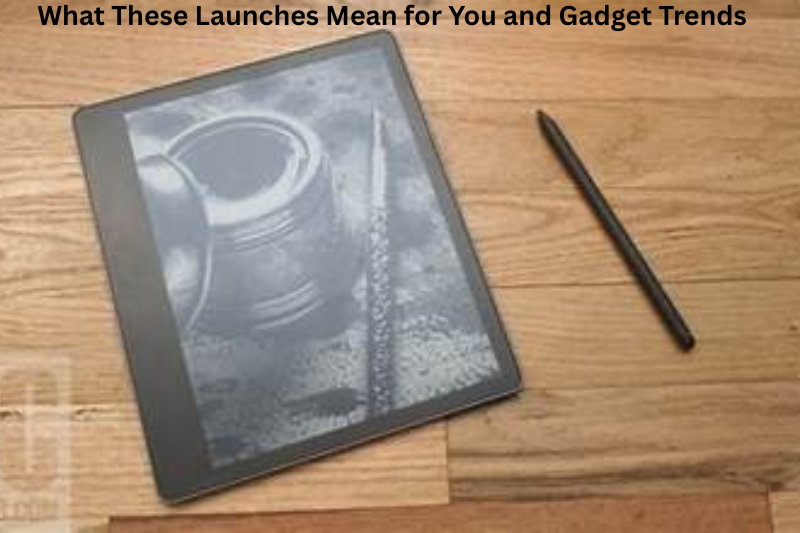
- For reading books, PDFs, or writing notes: Kindle Scribe is a specialized, lightweight option.
- For a single device that covers phone, media, and productivity: Samsung Galaxy Z TriFold is promising.
- For cost, durability, and long-term reliability: consider whether a traditional phone + tablet combo may be more practical.
- If using many apps: check app compatibility to ensure the large screen improves productivity or experience.
FAQs
Q: Why are many new gadgets more expensive than older ones?
A: New gadgets, especially foldable phones and hybrid devices, use advanced materials and complex engineering like flexible screens and hinge mechanisms. They often combine multiple devices into one (phone + tablet), which adds value — and increases the price.
Q: Are newer gadgets like foldable phones as durable as traditional phones?
A: Not entirely. Foldable phones have flexible displays that are more prone to scratches or damage. Hinges and folding parts may wear down over time, making them more fragile than standard smartphones.
Q: Will all apps and software work smoothly on new form factors like foldables or large e-readers?
A: Not always. Apps may not scale properly on unusual screen sizes or aspect ratios, leading to awkward layouts or unused screen space. It’s important to check app compatibility, especially for work or productivity apps.
Q: What are the trade-offs of buying a gadget specialized for one purpose, like an e-reader or foldable phone?
A: Specialized gadgets excel at certain tasks — e-readers are great for reading, foldable phones offer large screens when needed. However, they may be less versatile than a high-end smartphone or tablet. They can also be more fragile, have higher repair costs, and come with a higher price.
Q: How should I decide between a modern gadget (foldable, hybrid, or specialized) and a traditional device?
A: Consider your daily usage:
For reading, note-taking, or long-form content, an e-reader or tablet-style device is ideal.
For flexibility (phone + tablet + light productivity), a foldable or hybrid device may be worth it.
For reliability, simplicity, and long lifespan, a traditional phone or tablet is more