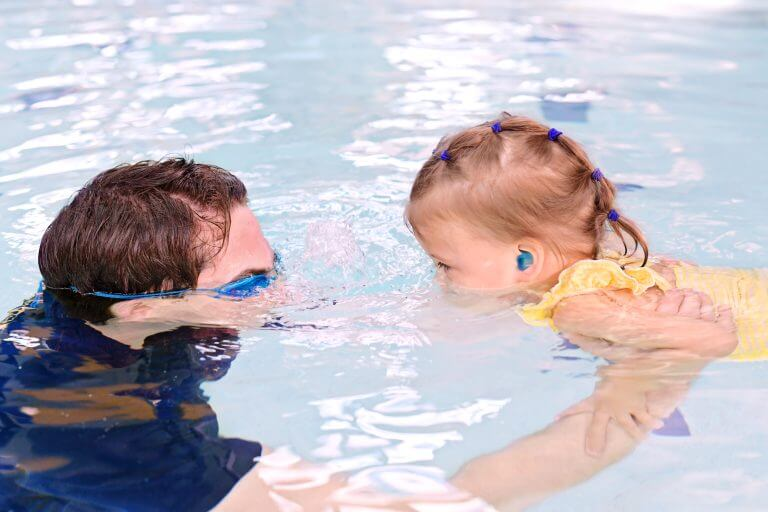

A kid who can technically do freestyle but panics the second water gets in their face is not actually a safe swimmer. That’s the part a lot of parents miss when they’re comparing programs and focused on how fast their child is picking up strokes. Technique matters, but it means very little if a child freezes up the moment something unexpected happens in the water.
This is exactly why programs like swim lessons surprise az put so much weight on comfort and confidence before stroke mechanics ever come into play.
What Water Confidence Actually Means
Water confidence isn’t about being fearless. It’s about a child staying calm when things don’t go perfectly, like water splashing in their face, losing their balance, or ending up briefly underwater. A confident swimmer knows how to reset instead of panicking.
This is different from being able to perform a stroke correctly. A child can have beautiful technique in a controlled lesson setting and still fall apart the second a real-world situation throws them off. Confidence is what bridges the gap between “knows how to swim” and “is actually safe in water.”
Why Strokes Get Prioritized Anyway
Strokes are easy to see progress in. Parents notice when their kid goes from doggy-paddling to an actual freestyle stroke, and that visible improvement feels like real proof that lessons are working.
Confidence-building is quieter. It looks like a child learning to blow bubbles calmly, float on their back without stiffening up, or recover after their face gets splashed without immediately grabbing for the instructor. None of that looks as impressive from the pool deck, but it’s doing more heavy lifting for actual safety than a clean stroke ever will.
Instructors who understand this teach both at the same time instead of treating confidence as something to rush through before getting to the “real” lessons.
What Happens When Confidence Gets Skipped
A child who’s pushed into strokes before they’re comfortable in the water usually develops a shaky foundation. They might look fine in a lesson with a familiar instructor in a familiar pool, but put them in a different setting, like a lake, a friend’s backyard pool, or even just deeper water, and the cracks show fast.
This is where a lot of near-drowning incidents actually happen. Not with kids who can’t swim at all, but with kids who have some swimming skill and enough confidence in ideal conditions to get into water that turns out to be more than they can handle.
Skipping the confidence-building stage doesn’t save time. It just moves the problem to a moment when there’s no instructor there to help.
How Good Programs Build It In
A well-structured lesson doesn’t separate confidence and skill into two different phases. It layers them together from day one. That means getting a child comfortable with their face in the water before ever asking them to swim a stroke, and practicing recovery skills, like rolling onto their back or grabbing the pool wall, from the very first lessons.
It also means letting kids experience small, controlled setbacks, like an unexpected splash, in a safe environment so they learn how to handle it instead of avoiding it. And it means building trust with the instructor first, since kids won’t relax in water with someone they don’t feel safe with, no matter how good the curriculum is on paper.
This is one of the bigger differences you’ll notice comparing swimming programs scottsdale, since not every school structures lessons this way. Some move straight into stroke drills because it’s what parents expect to see, even when the child isn’t ready for it.
Signs Your Child Has Real Water Confidence
You don’t need to guess at this. There are a few clear signs that tell you whether a child is actually confident, versus just following instructions well in a familiar setting.
A confident child can fall into water unexpectedly and reorient themselves without panicking. They can float on their back and stay relaxed instead of thrashing. They’re willing to try new water depths or new pools without needing constant reassurance. And they recover from a face full of water in a couple of seconds instead of needing to be pulled out and comforted.
If your child is hitting stroke milestones but still struggles with any of these basics, that’s worth flagging to your instructor. It doesn’t mean the program is bad, but it might mean the pacing needs to shift back toward comfort before moving forward with technique.
This Isn’t an Either/Or Situation
None of this means strokes don’t matter. A child eventually needs proper technique to swim efficiently, keep up with peers, and build endurance. The point is sequencing. Confidence needs to come first, or at minimum, needs to be built alongside skill instead of after it.
Parents sometimes worry that focusing on comfort will slow their child down compared to peers who are already doing full strokes. In practice, the opposite tends to happen. Kids with real water confidence progress faster later on, because they’re not fighting fear every time a lesson introduces something new.
If you’re not sure where your child stands, or you want a program that actually treats this as a priority instead of an afterthought, Contact us and we can walk you through what a lesson looks like.
What to Watch For in a Trial Lesson
If you’re evaluating a swim school, don’t just watch the strokes. Watch how the instructor responds when a child gets nervous or upset. Do they slow down and reassure the child, or push through the lesson plan regardless?
That single interaction tells you more about whether a program actually values water confidence than any brochure or class schedule will. Strokes can be taught by almost anyone with the right training. Building real confidence in the water takes a different kind of skill, and it’s the part that actually keeps kids safe once they’re outside the pool you’re paying for.
It’s also worth asking how a program handles setbacks. Every child has an off day, maybe they swallow water wrong or get startled by another kid splashing nearby. How the instructor responds in that moment says a lot. A rushed “you’re fine, let’s keep going” teaches a child to push past fear without actually resolving it. A calmer response that lets the child reset builds the kind of resilience that sticks.
None of this happens by accident. It takes instructors who are trained to notice the difference between a child who’s mildly annoyed and one who’s genuinely scared, and who know how to adjust the lesson without derailing it. That’s a harder skill to teach than a stroke correction, and it’s usually the thing that separates programs parents stick with long-term from ones they try once and leave.